Australian Dollars
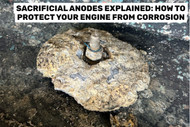
Sacrificial Anodes Explained: How to Protect Your Engine from Corrosion
16th Feb 2026
A sacrificial anode is a specially designed metal component that corrodes instead of your engine, protecting critical marine parts from galvanic corrosion. Without sacrificial anodes, underwater metal components such as engine blocks, heat exchangers, drives, and shafts are exposed to rapid and costly deterioration.
Corrosion is unavoidable in saltwater, brackish water, and even freshwater environments. Understanding how sacrificial anodes work and maintaining them correctly is one of the most effective ways to extend engine life and protect your investment.
What Is a Sacrificial Anode?
A sacrificial anode is a block or rod of reactive metal installed on underwater or internally cooled engine components. Its role is to absorb corrosion that would otherwise attack more valuable metals.
When different metals are submerged in water and electrically connected, an electrochemical reaction occurs. This reaction, known as galvanic corrosion, causes the least noble metal in the system to corrode first. Sacrificial anodes are intentionally made from metals that are more active than engine components, ensuring corrosion targets the anode rather than the engine.
As long as the anode has material remaining, it continues protecting surrounding components.
Why Sacrificial Anodes Are Critical for Marine Engines
Marine engines combine multiple metals, including aluminium, steel, bronze, and stainless steel. According to Martyr Anodes, corrosion accelerates when these metals are electrically connected in water, especially in environments with salinity, temperature changes, or stray electrical currents.
Sacrificial anodes protect essential components such as cooling passages, exhaust systems, heat exchangers, sterndrives, saildrives, shafts, and trim tabs. Without adequate anode protection, corrosion can cause internal blockages, overheating, leaks, and structural failure.
Replacing an anode is inexpensive. Repairing corrosion damage is not.
How Sacrificial Anodes Work
Water acts as an electrolyte, allowing an electrical current to flow between dissimilar metals. Sacrificial anodes are designed with a lower electrical potential than the metals they protect, so corrosion is drawn to the anode first.
Martyr Anodes explains that this process continues until the anode material is consumed. Once the anode is depleted, corrosion immediately begins attacking the next most vulnerable metal, which is often a critical engine or drive component.
A detailed explanation of marine corrosion and galvanic protection can be found here: https://martyranodes.com/about-marine-corrosion/
Types of Sacrificial Anodes and Which One to Use
Selecting the correct anode material is essential for effective corrosion protection.
Zinc anodes have traditionally been used in saltwater environments and remain suitable for high-salinity conditions. However, they lose effectiveness in brackish or freshwater.
Aluminium anodes, including those manufactured by Martyr, are now widely recommended for modern marine engines. They provide consistent protection in saltwater, brackish water, and freshwater, making them an excellent all-round option for Australian boating conditions.
Magnesium anodes are designed specifically for freshwater applications. They offer strong protection in lakes and rivers but corrode extremely quickly in saltwater and should not be used in marine environments.
For most boat owners, aluminium sacrificial anodes offer the best balance of performance, longevity, and versatility.
Where Sacrificial Anodes Are Installed
Sacrificial anodes are installed anywhere metal components are exposed to water or are part of an engine cooling system.
External anodes are commonly found on sterndrives, outboards, trim tabs, shafts, and rudders. These are easy to inspect visually during routine checks.
Internal engine anodes, often referred to as pencil anodes, are installed inside engine blocks, heat exchangers, and cooling passages. These are critical for protecting internal components but are frequently overlooked during servicing.
Boaters World stocks a wide range of internal engine anodes suitable for common marine engines.
How Often Should Sacrificial Anodes Be Replaced?
Sacrificial anodes should be inspected at least every six months and replaced when approximately 50 percent of the material has been consumed.
Boats kept in marinas, connected to shore power, or operating near other vessels may experience faster anode wear due to stray electrical currents. Warm saltwater environments also accelerate corrosion.
An anode that is fully consumed leaves your engine completely unprotected, even if no visible corrosion has appeared yet.
Signs Your Anodes Are Not Working Properly
If corrosion is appearing on props, shafts, or engine components while anodes remain largely untouched, the anodes may be incorrect for your water type or not electrically bonded properly.
Painted anodes, loose fasteners, or heavy marine growth can prevent anodes from functioning. For an anode to work, it must have a clean metal contact and remain electrically connected to the components it protects.
Uneven or extremely rapid anode wear may also indicate an underlying electrical or grounding issue that should be investigated.
How to Choose the Right Sacrificial Anode
Always select an anode designed for your engine or drive model and matched to your operating environment. Use manufacturer-recommended materials where possible and ensure correct fitment.
High-quality aftermarket anodes offer excellent protection when properly specified and installed. Poor-quality or incorrectly sized anodes can reduce effectiveness and increase corrosion risk.
Boaters World offers model-specific anodes for Volvo Penta, Mercruiser, Yamaha, Suzuki, Cummins, Yanmar, and more.
Sacrificial Anodes and Long-Term Engine Protection
Sacrificial anodes are one of the most important yet overlooked components in marine maintenance. They act as an early warning system, showing how aggressively your engine is being exposed to corrosion.
Regular inspection and timely replacement can prevent cooling system failures, extend engine life, and avoid costly repairs. If there is one corrosion-related task you prioritise this season, make it by checking your anodes.
Frequently Asked Questions
What does a sacrificial anode do?
A sacrificial anode corrodes instead of your engine, protecting metal components from galvanic corrosion.
How often should sacrificial anodes be replaced?
Anodes should be replaced when around half consumed or at least annually, depending on water conditions and usage.
Are Martyr anodes suitable for Australian conditions?
Yes. Martyr aluminium anodes are well suited to saltwater, brackish water, and freshwater environments commonly found in Australia.
Can I use aluminium anodes in saltwater?
Yes. Aluminium anodes perform well in saltwater, brackish water, and freshwater and are now commonly recommended.
Are zinc anodes still suitable for marine engines?
Zinc anodes are suitable for saltwater but are less effective in freshwater or brackish environments.
Do freshwater boats need sacrificial anodes?
Yes. Corrosion still occurs in freshwater, particularly in electrically active systems.
Why is my anode not corroding at all?
This can indicate incorrect material selection, poor electrical contact, or insulation from paint or marine growth.
Are internal engine anodes important?
Yes. Internal anodes protect cooling passages and heat exchangers that cannot be visually inspected.
Can sacrificial anodes damage my engine?
Using the wrong anode material in the wrong water type can accelerate corrosion, but the correct anode will only protect your engine.
Do marinas increase anode wear?
Often yes. Shore power and nearby vessels can introduce stray currents that accelerate corrosion.
Shop Now
Protecting your engine from corrosion starts with the right sacrificial anode.
Explore Boaters World’s full range of sacrificial anodes, including internal engine anodes and model-specific options, and get fast Australian shipping backed by expert support.
Shop sacrificial anodes at Boaters World.