Australian Dollars
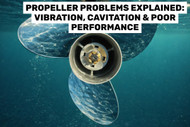
Propeller Problems Explained: Vibration, Cavitation and Poor Performance
15th Feb 2026
propeller is often the root cause. Propeller vibration, cavitation and poor performance are common issues that affect comfort, fuel economy and engine health. Understanding why these problems occur helps you fix them early and choose the right propeller setup for long-term reliability.
This guide explains the most common propeller problems, what causes them, and how to restore smooth, efficient performance.
What causes propeller vibration?
Propeller vibration occurs when the propeller does not rotate evenly through the water. This usually happens when blades are damaged, bent, unbalanced, or fouled with marine growth. Even minor blade damage from striking debris can create uneven water flow, leading to vibration felt through the hull, steering, or engine.
Vibration may also result from incorrect propeller sizing or shaft alignment issues. A propeller that is not well matched to the boat and engine can create excessive load and uneven thrust, which amplifies vibration at certain RPM ranges. Left unresolved, vibration accelerates wear on bearings, seals, and driveline components.
What is propeller cavitation?
Propeller cavitation happens when the water pressure on the blade surface drops so low that water turns into vapor bubbles. These bubbles collapse rapidly as pressure increases, creating shockwaves that reduce thrust and damage the propeller surface.
Cavitation typically sounds like a popping or crackling noise near the stern and is often accompanied by reduced speed even as engine RPM increases. Over time, cavitation erodes blade surfaces and significantly reduces propeller efficiency.
A clear explanation of cavitation physics can be found here:
https://en.wikipedia.org/wiki/Cavitation
Why cavitation causes poor performance
When cavitation occurs, the propeller loses its ability to push against solid water. Instead of producing thrust, energy is wasted forming vapor bubbles. This leads to slower acceleration, reduced top speed and increased fuel consumption.
Cavitation is commonly caused by incorrect propeller pitch, damaged blades, excessive trim, poor weight distribution, or running the propeller too close to the surface. Boats that are overpowered or incorrectly propped are particularly prone to cavitation under load.
How the wrong propeller affects boat performance
Poor performance is not always caused by damage. Many boats simply run the wrong propeller for their hull and engine combination. A propeller with incorrect pitch or diameter can prevent the engine from operating in its optimal RPM range.
Symptoms include sluggish acceleration, difficulty planing, engine over-revving, or excessive fuel use. Selecting the correct propeller is critical for balancing speed, torque, and efficiency.
If you are unsure which propeller suits your setup, this guide explains the selection process in detail:
https://boatersworld.com.au/blog/how-to-choose-the-right-propeller-for-your-boat/
Inspecting your propeller for problems
Visual inspection is the first step in diagnosing propeller issues. Look for bent blades, nicks, cracks, corrosion, or uneven wear. Fishing line wrapped around the hub can also cause vibration and seal damage.
If vibration or performance issues persist after inspection, professional propeller balancing or replacement may be required. In many cases, replacing a damaged propeller is more cost-effective than repairing it, especially for aluminium models.
Choosing the right replacement propeller
Matching the propeller to your engine and hull type restores performance and protects engine components. Material choice also matters. Stainless steel propellers offer greater strength and efficiency, while aluminium props provide a cost-effective solution for lighter boats.
Trusted aftermarket brands like Solas propellers are widely used for their consistent quality, accurate pitch sizing, and strong performance across recreational and commercial boats. Solas propellers are engineered to deliver smooth operation, reduced vibration, and reliable thrust, making them a popular choice for boaters looking to restore performance without compromising durability.
Boaters World stocks a wide range of marine propellers to suit different outboard and sterndrive applications, including Yamaha propellers designed for reliable performance across recreational and commercial use.
Preventing future propeller problems
Preventative maintenance goes a long way in avoiding vibration and cavitation. Inspect your propeller regularly, especially after grounding or debris strikes. Keep the hull clean, maintain correct trim, and ensure weight is distributed evenly.
Most importantly, ensure your propeller is correctly sized and suited to your typical load and boating conditions.
Frequently Asked Questions
What does propeller vibration feel like?
Propeller vibration often feels like shaking through the hull, steering wheel, or engine, usually increasing at specific speeds or RPM ranges.
Can a small dent really cause vibration?
Yes. Even minor blade damage can disrupt water flow enough to cause noticeable vibration and performance loss.
How can I tell if my propeller is cavitating?
Common signs include a popping noise near the stern, sudden loss of speed, and higher engine RPM without acceleration.
Does cavitation damage my propeller?
Yes. Repeated cavitation erodes blade surfaces and shortens propeller lifespan.
Can trimming cause cavitation?
Excessive trim lifts the propeller closer to the surface, increasing the risk of cavitation, especially under load.
Why does my engine rev high, but the boat feels slow?
This often indicates cavitation or incorrect propeller pitch, preventing effective thrust.
Is stainless steel better than aluminium?
Stainless steel is stronger and more efficient, while aluminium is lighter and more affordable. The best choice depends on usage and budget.
How often should I inspect my propeller?
Inspect before and after each season and immediately after striking debris or running aground.
Will a new propeller improve fuel economy?
Yes. A correctly matched propeller improves efficiency and reduces unnecessary engine load. Many boaters choose Solas propellers when upgrading, as their precise manufacturing helps improve efficiency and reduce vibration compared to worn or damaged props.
Explore Boaters World
If your boat is vibrating, cavitating or underperforming, the right propeller makes all the difference. Explore Boaters World’s range of quality marine propellers and boating parts, or contact our expert team for advice on selecting the best setup for your vessel. Getting the right prop means smoother rides, better efficiency and more time enjoying the water.