Australian Dollars
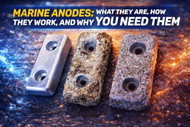
Marine Anodes: What They Are, How They Work, and Why You Need Them
19th Mar 2026
Marine anodes are essential components that protect boats from corrosion caused by electrolysis and galvanic reactions in water. Without marine anodes, important metal parts such as propellers, shafts, trim tabs, and engines can deteriorate quickly, leading to expensive repairs.
Also known as sacrificial anodes, these components are designed to corrode first, protecting the rest of your vessel’s metal hardware.
If your boat operates in saltwater, freshwater, or marinas with electrical activity, installing the correct marine anodes is one of the most important maintenance tasks you can perform.
You can explore the full range of marine anodes.
What Are Marine Anodes?
Marine anodes are sacrificial metal components installed on boats to prevent corrosion. They corrode first during galvanic reactions, protecting engines, propellers, shafts, and other underwater hardware.
They protect valuable parts by sacrificing themselves during galvanic reactions.
When two different metals are submerged in water and connected electrically, an electrochemical reaction occurs. The more reactive metal corrodes first. Marine anodes intentionally act as this sacrificial metal so that the rest of your boat’s hardware remains protected.
Why Boats Need Marine Anodes
Without marine anodes, corrosion can attack critical marine components including:
- propellers
- outboard lower units
- stern drives
- trim tabs
- engine cooling systems
- propeller shafts
Even a small amount of galvanic corrosion can damage expensive marine parts.
Replacing a worn anode is inexpensive compared to replacing a propeller or repairing engine components.
How Marine Anodes Work
Marine anodes protect underwater metal components through galvanic corrosion protection.
When two metals are immersed in water, electricity flows between them. The metal with the lower electrical potential becomes the anode and corrodes faster.
Sacrificial anodes are designed to be the weakest metal in the system. As they slowly dissolve, they prevent corrosion from attacking other parts of the boat.
Once an anode becomes heavily worn, it must be replaced to maintain protection.
Types of Marine Anodes Used on Boats
Different parts of a boat require different types of marine anodes. Selecting the correct anode ensures proper corrosion protection.
Drive Anodes
Drive anodes protect stern drives, sail drives and pod drives on inboard engines. These anodes are essential for preventing corrosion on the drive housing and gear case.
Browse drive anodes.
Outboard Engine Anodes
Outboard motors rely on external anodes mounted on the engine bracket or lower gearcase to protect internal engine components and housings.
View outboard anodes.
Inboard Engine Anodes
Inboard engines often contain internal anodes installed within cooling passages or heat exchangers. These protect internal engine components from corrosion.
Explore inboard engine anodes.
Pencil Anodes
Pencil anodes are small cylindrical anodes installed inside heat exchangers and cooling systems to protect internal components from corrosion.
Browse pencil anodes.
Propeller Anodes
Propeller anodes protect propellers, shafts, and nearby underwater hardware from galvanic corrosion.
View propeller anodes.
Bow Thruster Anodes
Bow thrusters are exposed to seawater and electrical activity, which makes corrosion protection critical. Bow thruster anodes prevent damage to these expensive components.
Browse bow thruster anodes.
Marine Anode Materials Explained
Different environments require different anode materials. Choosing the correct material ensures effective protection.
|
Anode Material |
Best Environment |
Key Benefit |
|
Zinc |
Saltwater |
Traditional marine corrosion protection |
|
Aluminium |
Salt & brackish water |
Longer lasting and versatile |
|
Magnesium |
Freshwater |
Strong protection in low conductivity water |
Many modern boats now use aluminium anodes because they perform well across multiple water conditions.
For more information about galvanic corrosion in marine environments, see guidance from the Australian Maritime Safety Authority.
Where Marine Anodes Should Be Installed on a Boat
Marine anodes are typically installed on any metal component exposed to water.
Common locations include:
- outboard engine lower units
- stern drives
- trim tabs
- propeller shafts
- propellers
- rudders
- engine heat exchangers
- bow thrusters
The goal is to place anodes where they can protect nearby metal components from corrosion.
Signs Your Marine Anodes Need Replacing
Marine anodes slowly dissolve as they protect your boat.
Signs that an anode needs replacement include:
- anode has lost more than 50 percent of its original size
- heavy pitting or uneven wear
- corrosion visible on nearby metal parts
- anodes completely consumed
Regular inspection ensures your boat remains protected.
How Often Should Marine Anodes Be Replaced?
Marine anodes should be inspected every three to six months.
Boats stored in marinas or saltwater environments may require more frequent inspection due to increased electrical activity and corrosion risk.
Many boat owners replace anodes during routine servicing or when the boat is lifted from the water.
Common Mistakes Boat Owners Make With Anodes
Several common mistakes can reduce the effectiveness of marine anodes.
Installing the wrong material for your water type is one of the most frequent issues. Magnesium anodes should not be used in saltwater, while zinc anodes may not perform well in freshwater.
Another mistake is painting anodes. Marine anodes must remain exposed to water in order to function properly.
Finally, failing to replace worn anodes can allow corrosion to attack expensive marine components.
Choosing the Right Marine Anodes for Your Boat
Selecting the correct marine anodes depends on several factors.
The engine type determines which anodes are required. Outboard engines, stern drives, and inboard engines each use different anode designs.
Water conditions also matter. Saltwater, freshwater, and brackish water require different anode materials.
Compatibility with your engine brand is also important. Many boats require anodes designed specifically for manufacturers such as Mercury, Yamaha, Volvo Penta, and Mercruiser.
Shop Marine Anodes at Boaters World
Maintaining the correct marine anodes is one of the easiest ways to protect your boat from corrosion.
At Boaters World, you can find a wide range of sacrificial anodes designed for outboards, stern drives, inboard engines, propellers, and bow thrusters.
Browse the full range here: Marine Anodes: Zinc, Aluminium & Engine Anodes
Replacing worn anodes regularly helps protect your engine, propellers, and underwater hardware while extending the life of your boat.
Marine Anodes FAQs
What do marine anodes do?
Marine anodes protect boats from corrosion by sacrificing themselves during electrochemical reactions in water.
How long do marine anodes last?
Marine anodes typically last between six months and two years depending on water conditions, electrical activity, and boat usage.
How do I know if my anode needs replacing?
If an anode has lost more than half its original size or shows heavy pitting, it should be replaced.
Are aluminium anodes better than zinc?
Aluminium anodes often last longer and work well in both saltwater and brackish water environments.
Can I use magnesium anodes in saltwater?
No. Magnesium anodes are designed for freshwater and will corrode too quickly in saltwater.
Do all boats need marine anodes?
Yes. Any boat with metal parts in contact with water should use sacrificial anodes to prevent corrosion.
Where are marine anodes installed?
They are installed on engines, propellers, shafts, trim tabs, stern drives, and internal cooling systems.
How often should I inspect marine anodes?
Marine anodes should be inspected every three to six months or whenever the boat is removed from the water.
Can I replace marine anodes myself?
Many anodes can be replaced with basic tools, although internal engine anodes may require professional servicing.
What happens if I don’t replace worn anodes?
Without functioning anodes, corrosion will attack underwater metal parts, potentially causing serious damage to your boat.