Australian Dollars
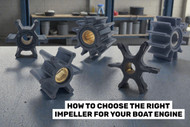
How to Choose the Right Impeller for Your Boat Engine
4th Feb 2026
Your engine’s impeller plays a quiet but critical role every time you turn the key. It is the heart of the raw water cooling system, pulling seawater through the engine to keep temperatures stable. Choosing the wrong impeller, or delaying replacement, is one of the most common causes of marine engine overheating and unexpected breakdowns.
With so many engine brands, part numbers, and aftermarket options available, it is easy for boat owners to feel unsure about which impeller is actually right for their setup. This guide breaks it down clearly so you can choose the correct impeller with confidence and keep your engine protected.
Why the Right Impeller Matters
An impeller is made from flexible rubber vanes that spin inside the seawater pump. Over time, heat, salt, sand, and dry starts cause those vanes to harden, crack, or snap off. Even a slightly incorrect impeller can reduce water flow, which leads to overheating long before any warning alarms activate.
Using the correct impeller ensures proper cooling, protects heat exchangers and exhaust components, and helps avoid costly engine repairs. It also extends the life of your seawater pump housing and seals.
Start With Your Engine Model, Not the Impeller Shape
Many impellers look similar at first glance, but small differences in diameter, shaft size, vane count, or width can make a big difference. The safest way to choose the right impeller is always to start with your engine make and model.
At Boaters World, our parts by engine model finder allows you to quickly match the correct impeller to your engine without guesswork. This is especially important for popular engines such as Volvo Penta, Mercury MerCruiser, Yanmar, Yamaha, and Suzuki, where multiple impellers may exist across similar model ranges.
You can explore compatible impellers directly here.
OEM vs Aftermarket Impellers
Many boat owners ask whether they must use genuine OEM impellers or if aftermarket options are safe. The answer depends on quality and compatibility, not branding alone.
OEM impellers are built to the engine manufacturer’s specifications and offer peace of mind, especially for newer engines or warranty considerations. High-quality aftermarket impellers from trusted brands such as Johnson Pump or Albinus are widely used by marine mechanics and often deliver excellent durability at a lower cost.
The key is avoiding unknown or low-grade rubber compounds. Poor-quality impellers can shed vanes early, creating blockages further down the cooling system.
Match the Impeller to Your Seawater Pump
An impeller must match the exact seawater pump fitted to your engine. Even within the same engine family, pump designs can vary by year or configuration. If you are unsure, checking the existing impeller part number or referencing your engine serial number is the most reliable approach.
Boaters World stocks both complete seawater pumps and individual impeller kits, making it easy to service the system properly in one go if needed
Consider How and Where You Use Your Boat
Usage conditions matter more than many boat owners realise. Engines that operate in sandy or silty water, shallow estuaries, or warm climates often experience faster impeller wear. Boats that sit unused for long periods are also at higher risk, as impeller vanes can take a permanent set when left compressed.
If your boat sees heavy use or harsh conditions, choosing a premium impeller and replacing it annually is cheap insurance against overheating.
When to Replace Your Impeller
Most manufacturers recommend impeller replacement every 12 months or 100 engine hours, whichever comes first. Even if the impeller looks fine, internal cracking and rubber hardening may already be reducing cooling efficiency.
If you have recently experienced higher engine temperatures, reduced water flow from the exhaust, or a seawater pump service, replacing the impeller should be a priority.
Don’t Forget the Gasket and Lubrication
A proper impeller change is more than just swapping the rubber rotor. Always replace the gasket or O-ring supplied in the kit and lubricate the new impeller during installation. This prevents dry running on start-up and helps the vanes seat correctly.
Get Expert Help Before You Buy
If there is any uncertainty, the Boaters World support team can confirm the correct impeller based on your engine details before you order. This saves time, avoids returns, and ensures you receive the right part the first time.
With same-day dispatch on stocked items and nationwide shipping, getting back on the water is fast and straightforward.
Frequently Asked Questions
How do I know which impeller fits my engine?
Use your engine make, model, and serial number. The Boaters World engine model finder removes guesswork.
Can the wrong impeller damage my engine?
Yes. Incorrect size or vane count can reduce cooling flow and cause overheating.
Are aftermarket impellers safe to use?
High-quality aftermarket impellers from trusted brands are widely used and considered safe when correctly matched.
How often should I replace my impeller?
Most engines require replacement every 12 months or 100 hours of use.
What happens if an impeller vane breaks off?
Broken vanes can lodge in heat exchangers or oil coolers, restricting water flow and causing overheating.
Should I replace the impeller if my engine has overheated?
Yes. Overheating often damages the rubber compound, even if the impeller looks intact.
Is it worth replacing the whole seawater pump?
If the pump housing or shaft is worn, replacing the full pump can prevent repeat failures.
Do I need special tools to change an impeller?
Most impellers can be replaced with basic hand tools, though access varies by engine.
Can Boaters World help confirm the right part before I buy?
Yes. Their support team can verify compatibility before dispatch.
Ready to Choose the Right Impeller?
Avoid overheating, protect your engine, and boat with confidence. Browse the full range of marine impellers or use the engine model finder to get the exact part you need.