Australian Dollars
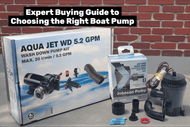
Expert Buying Guide to Choosing the Right Boat Pump
22nd Nov 2025
Selecting the correct boat pump is essential for maintaining your vessel's safety, performance, and longevity. Whether you need a bilge pump, seawater pump, or fresh water pump, choosing the right model suited to your boat's specifications and usage will ensure effective water management and prevent costly damage.
This guide will help you understand the different types of boat pumps, key selection criteria, and expert tips for choosing the best pump for your boating needs.
Types of Boat Pumps
Bilge Pumps
Bilge pumps are essential safety devices that remove unwanted water from the bilge, the lowest part inside the hull where water collects. They prevent flooding and help maintain stability. Bilge pumps come in several types:
- Manual Bilge Pumps: Operated by hand or foot pedal, ideal as a backup or for smaller boats lacking electrical systems.
- Automatic Electric Bilge Pumps: Equipped with float switches, these pumps activate automatically when water reaches a certain level. They are popular for their convenience and reliability.
- High-Capacity Centrifugal Pumps: Designed for larger vessels or high water inflow situations, providing efficient, powerful water removal.
Effective bilge pumping is crucial for boat safety and meeting maritime regulatory standards.
Seawater Pumps
Seawater pumps are critical for the engine cooling system. They circulate seawater through the engine’s heat exchangers, removing excess heat. These pumps must be:
- Made from corrosion-resistant materials like bronze or stainless steel to withstand harsh saltwater environments.
- Compatible with specific engine models, including Volvo Penta variants, for proper fit and function.
- Designed with durable impellers that maintain flow rate and resist wear.
Regular inspection and replacement of seawater pumps ensure your engine remains cool and efficient, preventing overheating-related damage.
Freshwater Pumps
Freshwater pumps supply pressurized water for onboard use, such as sinks, showers, and washdowns. These pumps are generally:
- Compact, quiet, and energy-efficient, often electric-powered.
- Capable of providing consistent flow rates to maintain comfortable water pressure.
- Made with corrosion and chemical resistant components to handle freshwater systems safely.
Freshwater pumps enhance comfort and convenience for boaters but require regular maintenance to prevent blockages or failures.
Livewell Pumps
Livewell pumps are specialised equipment used in fishing boats to pump water into live wells or bait tanks, keeping bait and catch alive by ensuring fresh, oxygenated water circulation. Considerations for livewell pumps:
- Capable of handling both salt and freshwater with robust material construction.
- Designed for continuous operation and reliable circulation.
- Sized appropriately to maintain adequate water turnover based on livewell volume.
Effective livewell pump selection contributes to fishing success and preservation of live bait.
Key Factors to Consider When Choosing a Boat Pump
Pump Type and Purpose
Selecting the right boat pump begins with understanding its intended purpose onboard. Different pumps serve varied functions, bilge pumps handle water removal from your hull, seawater pumps circulate cooling water through your engine, and freshwater pumps supply potable water for sinks and showers. Identifying the specific task your pump will perform ensures you choose a model designed to meet those demands effectively and reliably.
Compatibility and Size
Matching pump capacity to your boat’s size and water management needs is crucial. Pump capacity is measured in gallons per hour (GPH) or litres per minute (L/min), indicating how much water it moves. Smaller boats or systems require lower capacity pumps, while larger vessels with more water inflow demand higher capacity units. Additionally, ensure the pump's inlet and outlet dimensions align with your existing plumbing and confirm power requirements match your on-board electrical system to avoid compatibility issues.
Material and Durability
Marine pumps operate in harsh environments: saltwater, humidity, and corrosive substances can degrade materials. Opt for pumps constructed with corrosion-resistant materials like stainless steel, bronze, or marine-grade plastics to extend lifespan and reduce maintenance. Robust materials also resist impact damage and wear from debris, essential for long-term reliability.
Power Source and Operation
Boat pumps operate on various power sources depending on their role and vessel setup:
- Manual Pumps: Useful as backups or on smaller boats without electrical systems.
- Electric Pumps: Popular for bilge and freshwater systems, powered by the boat’s 12V or 24V batteries.
- Engine-Driven Pumps: Often used for seawater cooling, harnessing engine power for pump operation.
Choosing a pump with a compatible power source ensures seamless integration and efficient functionality.
Installation and Maintenance
Look for pumps that are straightforward to install and service. Easy-to-access components, clear mounting instructions, and available replacement parts minimize downtime and maintenance costs. Regular inspection of pumps, cleaning strainers and impellers, and scheduled replacement prevent unexpected failures and extend pump life.
Recommended Boat Pumps for Common Applications
- Bilge Pumps: Rule, Johnson Pump
- Seawater Pumps: Volvo Penta OEM and quality aftermarket options, Yamaha seawater pumps
- Freshwater Pumps: Shurflo, Flojet
- Livewell Pumps: Attwood, Johnson
Expert Tips for Long-Term Pump Performance
1. Regular Inspection and Cleaning of Pump Strainers and Impellers
Inspect your pump’s strainers regularly, ideally daily or weekly, to remove debris like leaves, dirt, or marine growth. Clean impellers at least once a year, or more often if your boat is used in saltwater or debris-heavy environments, to prevent clogging and wear. A clean impeller ensures optimal water flow and prevents overheating.
2. Replace Pump Components as per Manufacturer Recommendations
Mechanical seals and impellers are wear items that require periodic replacement, typically every 1-2 years, depending on usage. Regularly replacing these parts prevents leaks, cavitation, and pump failure. Following the manufacturer’s maintenance schedule extends pump life and enhances reliability.
3. Use Genuine or High-Quality Aftermarket Parts
Always opt for OEM parts or high-quality aftermarket components vetted for marine applications. Using genuine parts ensures compatibility, durability, and maintains warranty coverage. Better materials and manufacturing standards lead to longer-lasting pump operation.
4. Monitor Pump Operation During Each Boating Season
Pay close attention to any unusual noises, vibrations, or decreases in water flow during operation. Early detection of any abnormal signs allows timely servicing or parts replacement, preventing costly breakdowns and engine damage.
5. Maintain a Preventive Maintenance Schedule
Develop and follow a regular maintenance schedule that includes daily visual inspections, periodic cleaning, and scheduled component replacements. A proactive approach saves money in the long run by avoiding unplanned repairs and minimizing downtime.
6. Keep Spare Parts On Hand
Stock essential wear parts such as impellers, seals, and bearings. This readiness allows quick repairs if a component fails, especially during long trips or remote locations, ensuring your vessel remains operational.
7. Check for Corrosion and Wear Signs
Inspect pump casings and pipework for rust, cracks, discoloration, or corrosion. Address issues immediately to prevent leaks and further damage. Use anti-corrosion sprays or marine-grade materials for protection.
8. Proper Lubrication of Bearings and Joints
Ensure bearings are well-lubricated according to the manufacturer’s guidelines. Proper lubrication reduces friction and wear, optimizing pump efficiency and lifespan.
9. Flush and Clean the Pump After Use in Saltwater
Rinse your pump with fresh water after each saltwater usage session to remove salt deposits, marine growth, and debris. Regular flushing prevents corrosion and buildup that could impair performance.
Choosing the right boat pump tailored to your vessel increases safety, operational efficiency, and peace of mind. This guide aims to empower you with the knowledge to make informed decisions about your boat’s pumping needs.
FAQs
What types of pumps are commonly used on boats?
Common boat pumps include bilge pumps, seawater pumps, freshwater pumps, and livewell pumps, each designed for specific tasks such as water removal, engine cooling, freshwater supply, or bait tank circulation.
How do I choose the right pump size for my boat?
Choose a pump capacity based on your boat’s size and expected water volume, usually measured in gallons per hour (GPH) or litres per minute (L/min). Ensure inlet/outlet sizes and power requirements match your setup.
What materials should I look for in a marine pump?
Opt for corrosion-resistant materials like stainless steel, bronze, or marine-grade plastics to withstand harsh marine environments and increase pump durability.
Can I use an electric pump on all boats?
Electric pumps are common but require a compatible power supply, typically 12V or 24V batteries. Smaller boats may use manual pumps or engine-driven pumps for seawater circulation.
How often should I maintain my boat pump?
Maintenance varies by use, but generally, inspect and clean strainers regularly, replace impellers yearly or per manufacturer guidelines, and check seals and hoses routinely.
What are the signs that my boat pump is failing?
Signs include reduced water flow, unusual noises, vibrations, leaks, or visible wear on impellers and seals. Early detection helps prevent system failure.
Are aftermarket pumps as reliable as OEM pumps?
High-quality aftermarket pumps can match OEM performance, but it’s important to buy from reputable brands to ensure durability and compatibility.
How easy are boat pumps to install and service?
Many pumps are designed for easy installation and routine servicing. Check for clear instructions, accessible mounting, and availability of replacement parts before buying.
What power sources are available for boat pumps?
Options include manual pumps, electric pumps powered by the boat’s battery system, and engine-driven pumps that use engine power for operation.
Can a single pump serve multiple functions on a boat?
Typically, pumps are specialised; however, some multi-purpose pumps exist. It’s best to use a dedicated pump for critical tasks like bilge water removal or engine cooling for reliability.