Australian Dollars
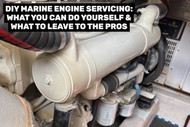
DIY Marine Engine Servicing: What You Can Do Yourself and What to Leave to the Pros
17th Feb 2026
Marine engine servicing does not always require a trip to the mechanic. Many routine maintenance tasks can be done by boat owners with the right parts, basic tools, and a clear understanding of where the limits are. Knowing what you can safely service yourself, and what should be left to qualified professionals, helps reduce downtime, control costs, and keep your engine reliable when it matters most.
In simple terms, DIY marine engine servicing covers regular inspection, cleaning, and replacement of common wear items. Professional servicing covers diagnostics, internal engine work, and any task where incorrect installation could lead to serious damage or safety issues. Understanding the difference is key to protecting both your engine and your investment.
At Boaters World, thousands of Australian boat owners source genuine and aftermarket marine engine parts to confidently handle routine maintenance themselves while relying on professionals for more complex work.
Marine Engine Servicing Tasks You Can Do Yourself
Many servicing jobs are designed by manufacturers to be performed regularly by owners. These tasks focus on prevention rather than repair and are critical to engine longevity.
Flushing your engine with fresh water after use is one of the most important maintenance steps, particularly for boats used in saltwater. Salt, sand, and debris left inside cooling systems accelerate corrosion and block water flow. Regular flushing dramatically reduces internal wear and cooling issues.
Learn How to Service Your Outboard Engine.
Inspecting and replacing spark plugs is another common DIY task. Worn or fouled spark plugs can cause hard starting, rough running, and poor fuel efficiency. Replacing them at recommended intervals is straightforward and requires minimal tools when the correct parts are used.
Fuel system checks are also well within reach for most boat owners. This includes inspecting fuel lines for cracking, checking primer bulbs for softness, and replacing fuel filters as part of scheduled servicing. These steps help prevent fuel starvation and protect injectors or carburettors from contamination.
Oil and gearcase oil changes can also be done at home for many outboard and sterndrive engines. Following the engine manufacturer’s service manual is essential, along with proper disposal of used oil. Clean oil reduces internal friction and removes contaminants that cause premature engine wear.
Basic inspections, such as checking belts, hoses, clamps, anodes, and propellers, are equally important. Catching early signs of wear before a trip can prevent breakdowns offshore and costly repairs later.
Boaters World offers complete marine service kits designed for specific engine brands and models, making DIY servicing simpler and more accurate.
Marine Engine Servicing Jobs Best Left to Professionals
While routine maintenance is well-suited to DIY servicing, some work should always be handled by experienced marine technicians.
Advanced diagnostics using specialised software and tools are essential when engines display fault codes, poor performance, or intermittent issues. These problems often cannot be accurately identified through visual inspection alone.
Cooling system overhauls, fuel injection servicing, internal engine repairs, gearbox work, and generator servicing also fall firmly into professional territory. Incorrect installation or adjustment in these areas can cause severe engine damage, void warranties, and create safety risks on the water.
Professional servicing is also recommended for annual inspections, particularly on high-hour engines or vessels used for long coastal or offshore trips. Trained technicians can identify early warning signs that are easy to miss without experience.
For guidance on safe boating maintenance standards, the Australian Maritime Safety Authority provides useful general information for vessel owners.
How Often Should Marine Engines Be Serviced?
Most manufacturers recommend routine owner checks before each outing, scheduled DIY servicing throughout the season, and a full professional service every 100 hours or annually, whichever comes first. Engines that sit unused for long periods or operate in harsh conditions often benefit from more frequent inspections.
Keeping a simple maintenance log helps track service intervals, parts replaced, and upcoming work. This makes servicing more predictable and protects resale value.
FAQs: DIY Marine Engine Servicing
What marine engine servicing can I safely do myself?
You can flush the engine, replace spark plugs and filters, change oils on many engines, inspect fuel systems, and perform general visual checks using the correct parts and instructions.
How often should I flush my marine engine?
Flushing should be done after every outing, especially in saltwater environments, to prevent corrosion and blockages.
Can DIY servicing void my engine warranty?
DIY servicing generally does not void warranties if manufacturer procedures are followed and correct parts are used. Keep records of all maintenance performed.
When should I use a professional marine mechanic?
Any work involving diagnostics, internal engine components, fuel injection systems, major cooling issues, or driveline repairs should be handled by professionals.
Is changing engine oil difficult for beginners?
Oil changes are manageable for most owners when following the engine manual and using proper tools and marine-grade oil.
What parts should always be replaced during routine servicing?
Filters, oils, spark plugs, and anodes are common service items replaced at regular intervals depending on engine type and usage.
How do I know if a problem is beyond DIY repair?
Warning alarms, fault codes, overheating, unusual noises, or loss of power are signs that professional inspection is required.
Where can I get the correct parts for my engine?
Boaters World stocks OEM and quality aftermarket parts for major marine engine brands, making it easier to service with confidence.
Does regular servicing really make a difference?
Yes. Consistent maintenance reduces breakdowns, extends engine life, and improves reliability during peak boating seasons.
Get Ready for Your Next Service
If you are planning your next DIY marine engine service, Boaters World makes it easy to get everything you need in one place. From service kits and filters to oils, impellers, and anodes, you can confidently maintain your engine and avoid unnecessary downtime.
Explore marine service kits and parts today and keep your boat running strong all season.