Australian Dollars
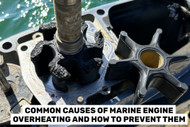
Common Causes of Marine Engine Overheating and How to Prevent Them
3rd Feb 2026
Marine engine overheating is one of the most common and costly issues boat owners face. Whether you run an outboard, sterndrive, or inboard diesel, excessive heat can quickly turn a good day on the water into an expensive repair job. The good news is that most overheating problems are predictable, preventable, and linked to routine maintenance items.
Understanding why marine engines overheat and how to stop it happening is key to protecting your engine, avoiding downtime, and extending its service life.
Failed or Worn Seawater Pump Impeller
The seawater pump is the heart of your engine’s cooling system. Its impeller draws raw water from outside the boat and circulates it through the heat exchanger or engine block. Over time, impeller blades harden, crack, or snap off, especially if the engine has been run dry or left unused for long periods.
A worn impeller reduces water flow, which causes engine temperatures to rise quickly. This is one of the most common causes of overheating across Volvo Penta, Mercury, Yamaha, and Yanmar engines.
Preventing this issue starts with routine impeller replacement. Most manufacturers recommend replacing impellers every 12 months or every 100 hours. Keeping a spare onboard is also smart, especially for offshore boating. Quality replacement impellers and complete pump assemblies are available through the Boaters World range of seawater pumps and service parts.
Blocked Raw Water Intake or Strainer
Marine engines rely on a constant supply of clean seawater. If the intake becomes blocked by seaweed, plastic bags, sand, or marine growth, water flow drops immediately. The same applies if the raw water strainer fills with debris or is not cleaned regularly.
Even partial blockages can lead to gradual overheating, particularly at higher engine loads.
The simplest prevention is regular inspection. Before every trip, check that the intake is clear and strainers are clean. After operating in shallow or weedy areas, it is worth rechecking. A clean intake system allows the cooling system to do its job efficiently.
Clogged Heat Exchanger or Cooling Passages
Heat exchangers remove heat from the engine by transferring it to seawater. Over time, salt, scale, corrosion, and broken impeller fragments can clog the internal tubes. When this happens, cooling efficiency drops even if the seawater pump is working properly.
This issue is more common in engines used heavily in saltwater or engines that have missed regular servicing.
Preventative maintenance includes periodic flushing and inspection of the heat exchanger. During major services, removing the end caps and checking for debris can prevent expensive overheating damage later. Using quality anodes also helps reduce internal corrosion.
Faulty Thermostat
The thermostat controls engine temperature by regulating coolant flow. If it sticks closed, coolant cannot circulate properly, causing the engine to overheat rapidly. If it sticks open, the engine may run too cool, which can also cause long-term issues.
Thermostats can fail due to corrosion, debris, or simple wear.
Replacing thermostats at recommended service intervals is inexpensive insurance. If an engine overheats suddenly with no obvious water flow issues, the thermostat should be checked early in the diagnosis process.
Exhaust System Restrictions
Marine exhaust systems rely on water injection to cool exhaust gases. If exhaust hoses collapse internally, delaminate, or become blocked with carbon or salt buildup, water flow can be restricted. This causes heat to back up into the engine.
Manifolds and risers are particularly vulnerable components, especially on petrol engines. Internal corrosion can reduce water flow long before external damage is visible.
Routine inspection and timely replacement of exhaust components is essential. Boaters World stocks a wide range of manifolds and risers suitable for popular marine engines, helping prevent overheating caused by exhaust restrictions.
Low Coolant Levels on Closed Cooling Systems
Engines with closed cooling systems still rely on coolant levels to regulate temperature. Low coolant due to leaks, old hoses, or neglected maintenance can lead to overheating even if the seawater side is functioning correctly.
Checking coolant levels should be part of every pre-season service. Using the correct marine-grade coolant and replacing old hoses helps maintain stable engine temperatures.
Why Preventing Overheating Matters
Overheating does not just stop your engine. It can warp cylinder heads, damage head gaskets, destroy impellers, and cause catastrophic engine failure. Preventative maintenance costs far less than major engine repairs and keeps your boat reliable when you need it most.
Boaters World supports this preventative approach by offering both OEM and trusted aftermarket cooling system components, allowing you to maintain reliability without unnecessary overspending.
Practical Prevention Checklist
Staying ahead of overheating issues comes down to regular servicing and quality parts. Annual impeller replacement, clean strainers, flushed heat exchangers, sound exhaust components, and correct coolant levels dramatically reduce overheating risk. When in doubt, replacing a worn part early is always cheaper than repairing engine damage later.
For detailed manufacturer guidance on marine cooling systems, the Australian Maritime Safety Authority provides helpful general maintenance advice.
Frequently Asked Questions
What is the most common cause of marine engine overheating?
A failed or worn seawater pump impeller is the most common cause across all marine engine types.
How often should I replace my seawater pump impeller?
Most manufacturers recommend every 12 months or every 100 engine hours.
Can a blocked strainer cause overheating at idle only?
Yes. Reduced water flow often shows up first at idle or low speeds before worsening under load.
Why does my engine overheat only at higher speeds?
This often points to restricted water flow, a partially blocked heat exchanger, or exhaust system issues.
Is it safe to run an engine briefly if it is overheating?
No. Even short periods of overheating can cause internal engine damage.
Do aftermarket cooling parts increase overheating risk?
No, provided they are high quality and designed for your engine. Reputable aftermarket brands perform reliably when correctly matched.
What should I check first if my engine overheats on the water?
Check raw water flow at the exhaust outlet and inspect the seawater intake for blockages.
Can old exhaust manifolds cause overheating without visible leaks?
Yes. Internal corrosion often restricts water flow long before external failure occurs.
Should I carry spare cooling parts onboard?
Carrying a spare impeller and basic tools is strongly recommended, especially for offshore trips.
Final Thoughts
Marine engine overheating is rarely random. It is usually the result of worn service items or restricted water flow. Staying ahead of these issues keeps your engine running efficiently and protects your time on the water.
If you are servicing your engine or chasing an overheating issue, explore the full range of cooling system parts, impellers, pumps, and engine service components at Boaters World. The Boaters World team can also help confirm correct fitment so you get back on the water with confidence.